
How the Keizer Residents Directory Starts With a Known Clue
Match the source to the clue. That single habit makes a Keizer residents directory search far easier than a broad name hunt. A current street address points to a parcel account. A dated name and locality points to a directory, a historical index, or a narrow recorded-instrument search. Court questions belong with the court. Current vital-record questions belong with the Oregon Health Authority. Each route carries its own access limit, so a no-result in one system never answers a different question.
- Preserve the exact name or address as printed, including direction, unit, locality spelling, and date.
- For a known Keizer situs address, use the Marion County Assessor Property Search to collect the account and map-tax-lot identifiers.
- Open the same place in the County parcel viewer to confirm the selected parcel and its map context.
- Use the Marion County Clerk, Salem Library, or State Archives route that matches the date and record type.
- Keep source date, retrieval date, and the record’s own identifier together before treating two entries as related.
A source can prove an owner field, a printed household listing, a filing party, or an official case reference. It cannot prove a current household on its own. Nor can it merge two people with similar names. When the goal is a full address trail, the Keizer by-street guide explains the County parcel handoff in more depth.
Keizer Residents Directory Property Searches Begin With Four Fields
Start a Keizer property reference at the Assessor's portal. It is not a broad people finder, though. Accept its disclaimer first. The visible categories are Account Number, Map Tax Lot, Situs Address, and Subdivision. A returned account can show source-date property information, including the situs, map-tax-lot, owner and mailing fields, neighborhood, values, and tax summary. The portal says its data refreshes every 24 hours and carries assessment-roll timing caveats.
| Marion County field | Best Keizer use | Important boundary |
|---|---|---|
| Account Number | Reconnect to a parcel after it is identified | It is an account key, not a resident identifier |
| Map Tax Lot | Bridge a plat or legal description to County mapping | Use the County label shown in the source |
| Situs Address | Start with a known Keizer street address | Keep the directional suffix and unit |
| Subdivision | Search when a recorded plat name is known | Do not substitute it for an address |
The Assessor search interface shows the four starting categories up close. Owner-name and ZIP searches are not among them. Search the address first. Then record the County identifiers that make every later request narrower.
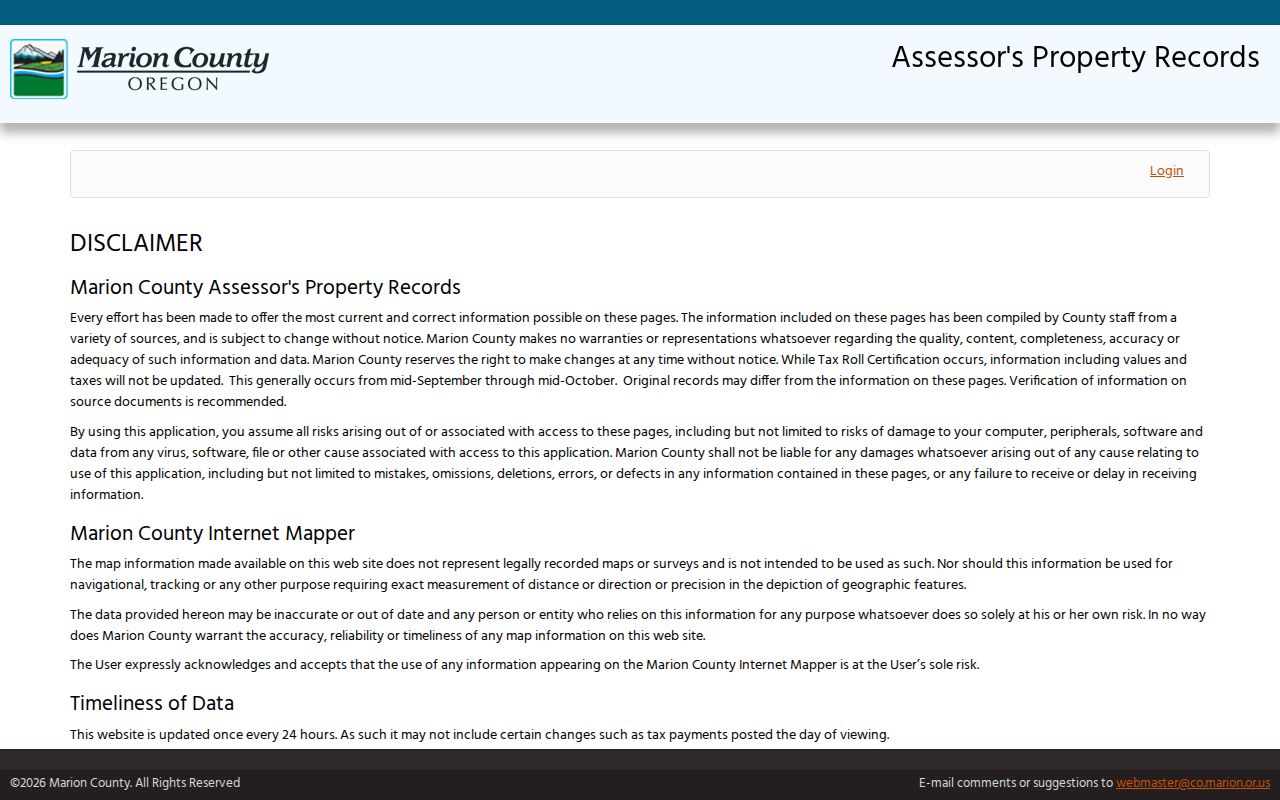
That limit is a feature, not a flaw. It keeps a Keizer residents directory search tied to a real parcel instead of implying the County offers a streetwide, name-first, or ZIP-wide resident list.
Keizer Residents Directory Records Offices and Their Jobs
Keizer is a city inside Marion County. The courthouse and property-records hub is Salem, the County seat. City-created records, County land and election records, Oregon statewide systems, and historical repositories each answer different questions. Asking the right office beats a broad request. That office already holds the record, its identifiers, and its access rules.
Marion County Clerk, Licensing & Recording
555 Court Street NE, Suite 2130
Salem, OR 97301
503-588-5225
Marion County Assessor
555 Court Street NE, Suite 2233
Salem, OR
503-588-5144
Marion County Elections
555 Court Street NE, Suite 2130
Salem, OR 97301
503-588-5041
For a non-police Keizer City record, use the City Recorder's online request form. Police reports follow a separate request route. The Recorder form does not handle those. For existing County records outside ordinary counter service, Marion County points requesters to the department's public-records officer.
Keizer Residents Directory Recorder Requests Work Best When Narrow
The City Recorder form asks for a specific description of the record or document, including date ranges. Specificity matters. Commercial purpose and attachments get asked too. A fee estimate can come back before work continues. A strong Keizer request names one custodian, one record class, a bounded period, and identifiers such as a street address, account number, meeting date, or report number.
Use the Keizer public-records request form for non-police City material. The State framework is the Oregon Public Records Law, ORS 192.311–192.478. It covers existing records only. No agency has to build a new compilation. The form's own fields show why a descriptive, date-bounded request cuts down routing and review.
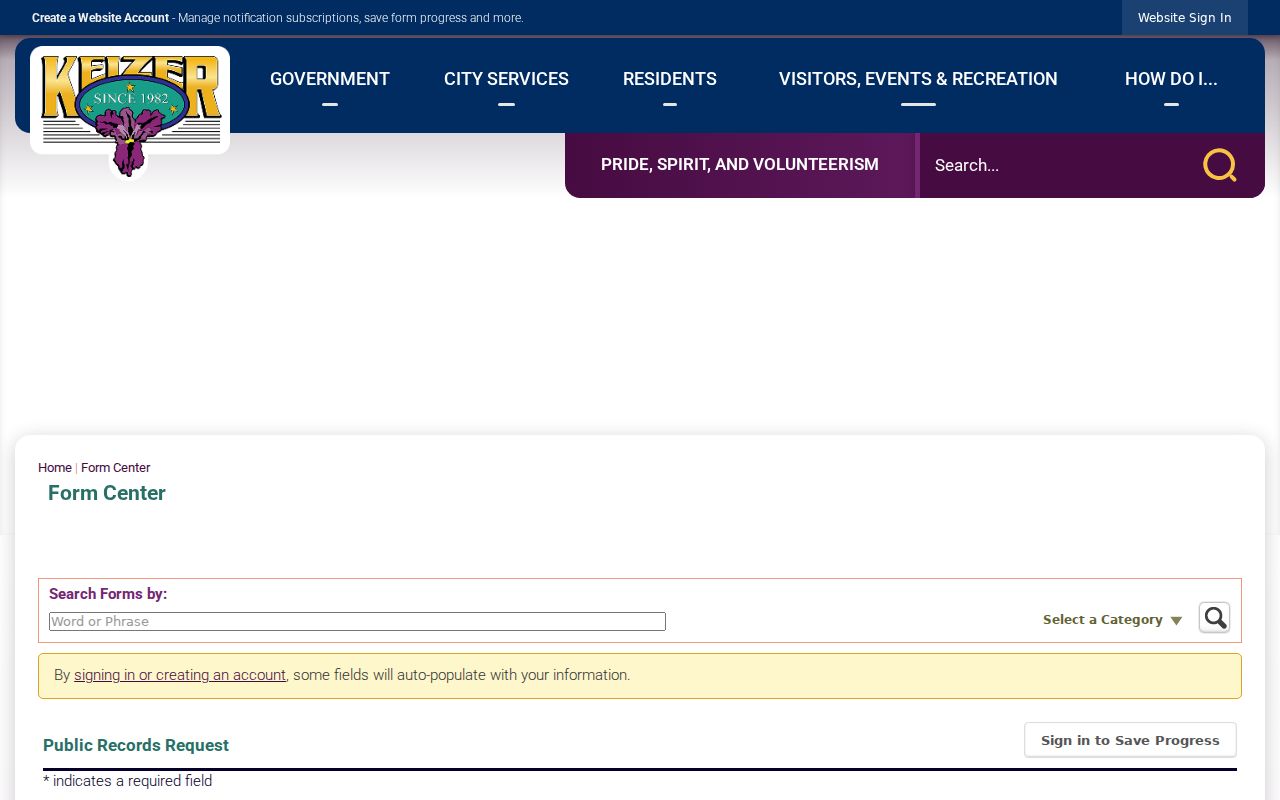
Ask for the known record. Requests for Council material, a permit file, or a City archive item come back cleaner that way. Broad person sweeps rarely work.
Keizer Residents Directory Deed Research Has a Counter Route
Recorded land instruments add a legal-description and date layer that a modern address lacks. Marion County's recording records cover deeds, mortgages, plats, liens, releases, easements, and related instruments. The County publishes no public online document index. Instead, the Clerk's current research sheet directs document researchers to six public terminals in the office. Staff do not search documents by phone.
The Marion County recording research route is the practical fallback when a Keizer parcel, name variant, instrument number, recording date, book/page, or legal description needs checking. Printed copies cost 25 cents. Basic how-to help is available. Staff charges can apply after ten minutes.
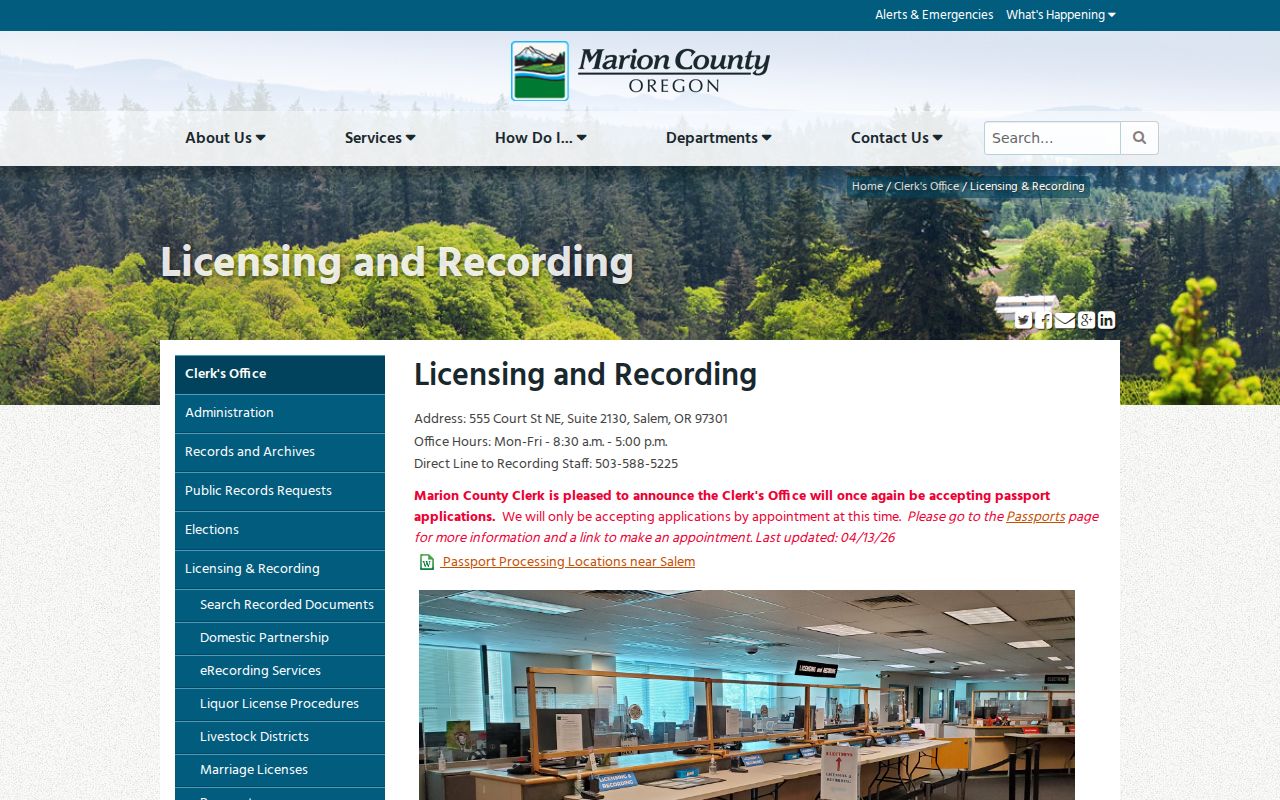
This detail is worth planning around. A well-scoped terminal visit beats any promise of a Keizer deed search through a public web index. Accuracy comes from the narrow route.
Keizer Residents Directory Sources You Can Actually Check
Every source answers a limited question. That is the point of a residents directory. The table separates property, civic, court, historical, and vital paths in Keizer. It shows what a result can confirm and which access channel remains when a portal offers no public name search.
| Source layer | What it can show | Keizer access route | Limit |
|---|---|---|---|
| Assessor account | Parcel-linked property fields | Address, account, taxlot, or subdivision search | No visible owner-name or ZIP category |
| County GIS | Selected parcel, map, transfer, district, and address fields | Address, taxlot, account, or locator then parcel click | No verified public buffer, export, or ZIP start search |
| Oregon voter systems | A voter’s own registration or a formal list route | My Vote or a voter-list request | CAPTCHA and confidentiality controls apply |
| Recorded instruments | Party and land-transfer context | Clerk terminal, counter, or narrow records request | No public County web index was verified |
| Historic directories | Dated printed address association | Salem Library, historical collections, and archives | It is not proof of a current connection |
People-finder sites blend records from many dates and places. Their category labels, refresh cycles, and match logic tell you little. They cannot substitute for what a custodian actually holds. A Keizer residents directory claim needs the source-native date and identifier to hold up. That is the only honest way to check it. For one documented connection, follow the Keizer resident lookup workflow. Do not treat a broad result as proof.
Keizer Residents Directory GIS Connects a Parcel to Its Map Context
The County's Assessor's Property Records map does a different job than the property-search form. An address locator and partial Situs Address matching help you pick a place. Taxlot Number and Account Number are exact categories instead. Once you select a parcel, the popup can show the taxlot, account numbers, plat or subdivision, address parts, transfer fields, taxing districts, values, and County-supplied links.
Start with the Marion County Assessor's Property Records map, note your retrieval date, and use manual map pan and parcel clicks for spatial context. Keep expectations modest. The viewer offers no one-click resident list, no radius list, and no exportable block roster for a Keizer street directory project.
Record terms. A parcel is a mapped land unit; a situs address is its physical-location label; an index points to a record; and a criss-cross directory is an address-led historical directory.
These terms matter in Keizer. A historic deed may cite a legal description while a current property page shows a situs address. County identifiers, not a guessed conversion, are what make that bridge defensible.
Keizer Residents Directory Archive Material Adds Civic Context, Not a Roster
Keizer's Archive Center is the City's local-history discovery layer. It supports keyword searching, archive-collection selection, a time period, and start and end dates. The City posts public materials labeled GNEKNA and Greater Gubser. It also posts materials labeled Northwest Keizer, Southeast Keizer, and West Keizer. Agendas, minutes, newsletters, and related civic documents sit in these collections. They can help date a street project or meeting. They can also help date a flood issue, park topic, permit matter, or annexation debate.
Open the Keizer Archive Center for the public-document route. Search the exact street form first. Then try a neighborhood name or a City project term with a date range. The collections are rich context. But they are not membership lists or a current Keizer residents directory.
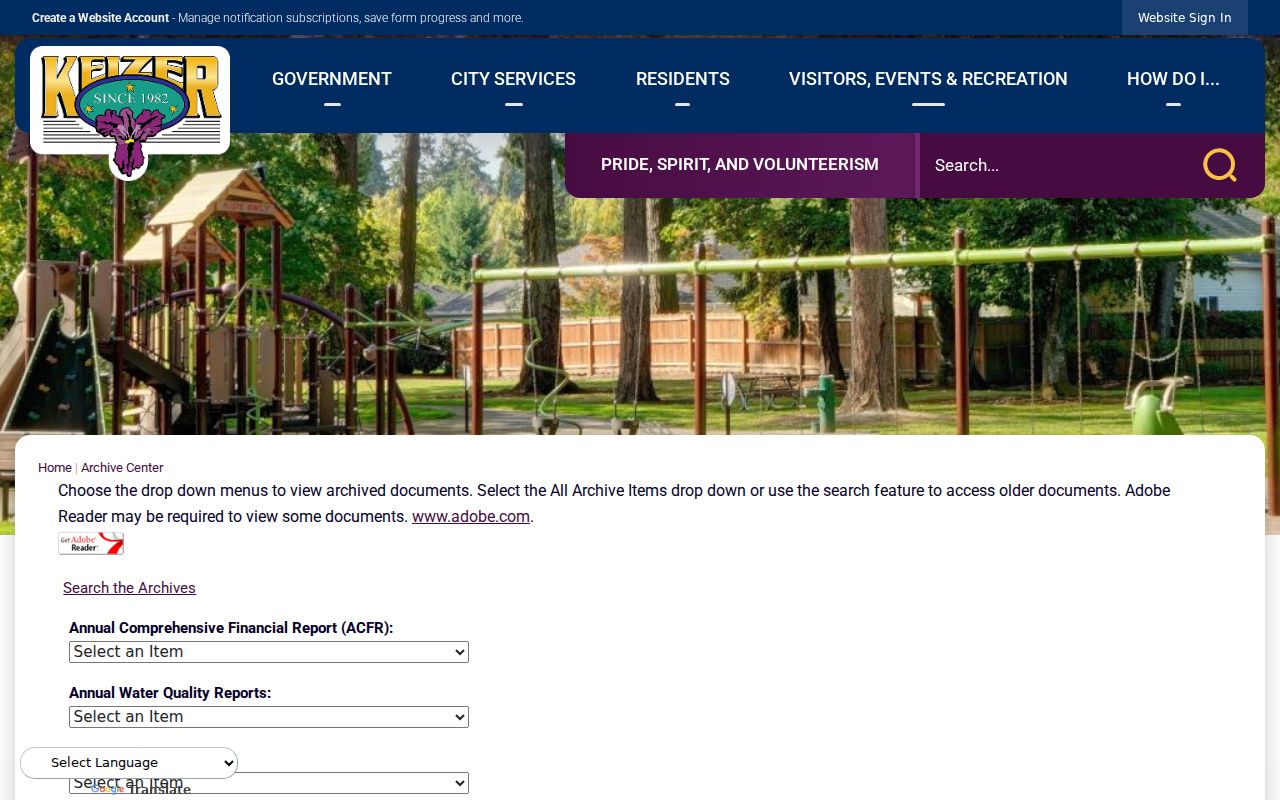
Keizer incorporated in 1982, and Clear Lake joined the City that same year. That jurisdiction break is a practical clue. Older local material may live with Marion County, the State Archives, Salem microfilm, plats, surveys, or historic directories instead of a Keizer City file.
Keizer Voter and Court Routes Have Real Access Limits
Oregon's MyVote route serves a voter's own registration needs. It is not a general public name directory for Keizer or any other city. The state also runs a formal voter-list request process with its own fields, fees, delivery terms, and confidentiality controls. Voter-file specifications include address and ZIP components. That still does not create a public browse screen.
The Oregon MyVote page leads to the official self-service route. Respect its access boundary. Keizer researchers should not attempt to work around protected-address controls or the state's other safeguards.
Online court tools have real gaps. The Oregon Judicial Department's Online Record Search and Calendar Search are not dependable day-to-day options. The solid alternative is the Marion Circuit Court terminal and records-request route. Sealed, juvenile, adoption, and other excluded material stays outside any general lookup.
Keizer Vital Records Are Not a Directory Layer
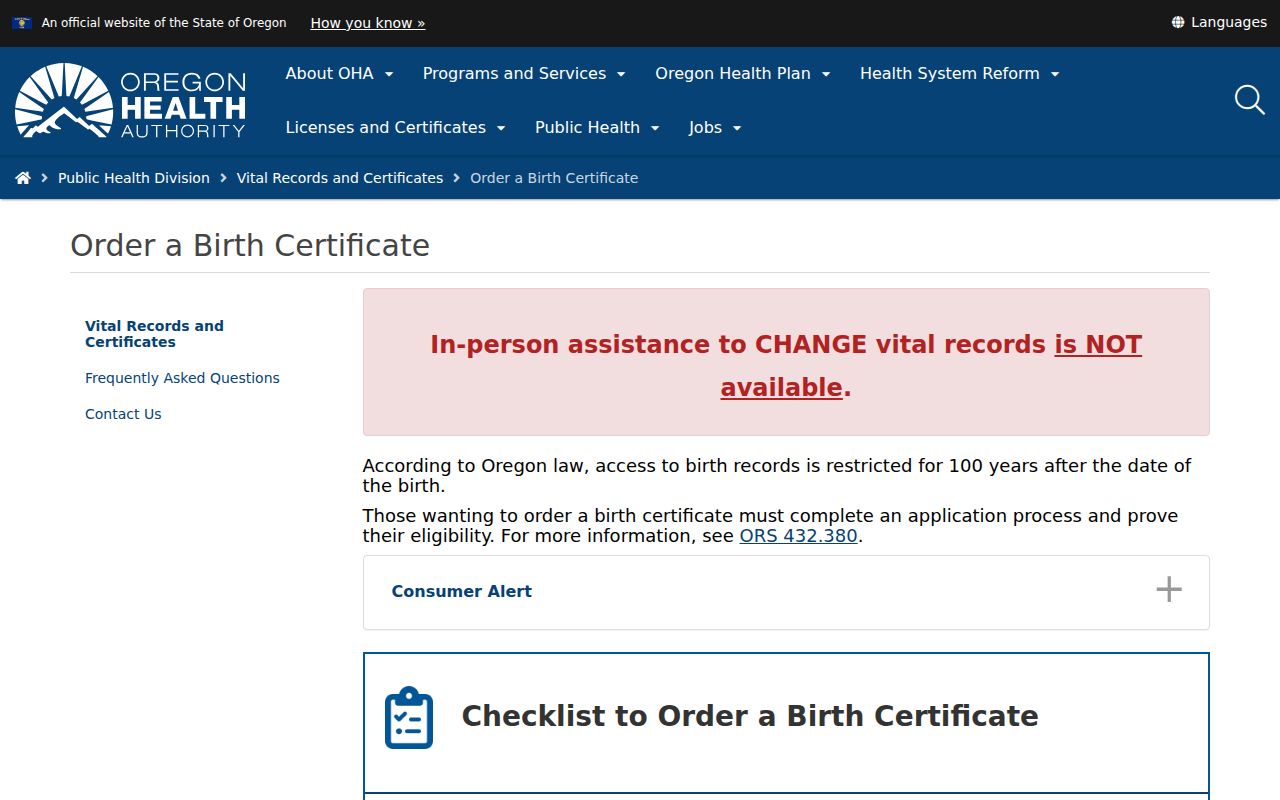
Current Oregon birth and death certificates come with strict rules. Eligible recipients are defined, identification is required, and applications must be signed. The Oregon Health Authority Center for Health Statistics is the official route. It handles current vital-record orders statewide. Marion County Clerk handles local marriage licensing. It also keeps the associated local marriage records. Historical material follows different archive routes and statutory opening periods. Births generally open after 100 years, other vital-record types after 50.
The Oregon birth-certificate order page shows the official order path and its required inputs. Read the eligibility guidance before ordering. A current certificate is not a shortcut for a Keizer residents directory search.
For historical work, keep the evidence tidy. Pair a date-bounded directory, archive index, or recorded instrument with the correct vital-record access period instead of inferring a relationship from a common name.
Keizer ZIP Details Need a Full Address Check
City Hall itself illustrates why Keizer ZIP details deserve a careful look. Its physical situs sits in 97303, yet the City also lists a mailing address in 97307 for post-office-box use. That split is a useful clue. It shows mailing and physical addresses are not the same thing in practice. It proves nothing about full postal boundaries, though, or about which ZIP covers any given Keizer parcel.
For a reliable answer, run the delivery address through the USPS ZIP Code Lookup. Neither local tool fills the gap on its own: the Assessor form offers no ZIP search category, and the GIS viewer only shows a ZIP inside its address fields once a parcel is selected. Let USPS settle postal questions. Turn to the County parcel records and City-boundary sources when the question is jurisdiction instead.
Keizer Historical Directories Need Their Printed Date
Keizer's past usually hides in Salem and Marion County collections rather than on a municipal shelf of its own. The Salem Library traces reverse directories from 1932 forward. An address can therefore lead to a printed listing in the right edition. Go earlier than 1932, and you start with a name instead. Maps and newspapers then confirm where that person lived. Keep the edition year beside every entry you copy. A street directory quote without its year is nearly useless.
Spelling is its own trap here. City records show Keizer, Kizer, Kisor, Kaiser, Keiser, plus early KIEZER and KEIZER forms. Log each spelling exactly as printed. The fuller shelf, entry-reading, and year-by-year method sit in the City Directories guide, which belongs beside any historical Keizer residents directory effort.
Keizer Record Searches Must Respect Confidentiality
Oregon shields certain addresses on purpose. The Address Confidentiality Program and voter protections such as form SEL 550 keep those locations out of public view. If a Keizer record comes back sealed or protected, treat that as the end of the search rather than a puzzle to solve elsewhere. The same caution covers sensitive court files, current vital records, utility data, and DMV home addresses in any residents directory lookup.
Lawful personal use. Use Keizer records for a bounded, lawful purpose such as family history, an heir matter, civic research, or checking a source. Do not use records or directory material to stalk, harass, intimidate, or harm anyone.
Mistakes happen in official files. When a Keizer record looks wrong, contact the office that keeps it. Ask about a correction. Oregon Public Records Law, ORS 192.311–192.478, covers records a public body already holds rather than new compilations. Under ORS 192.324, an agency generally acknowledges or completes a written request within five business days. After that, it sends the record. It may also send a fee estimate, an expected completion date, or another statutory response. A narrow request works best. Name the record class and give a date range. Avoid asking the county to build a fresh Keizer data set. A dated source, a focused question, and a custodian's confirmation are the soundest footing. That is true for any Keizer residents directory search.